Quote, invoice, follow up: a paperwork loop for one-person trade businesses
Most solo trades lose money in the gaps between jobs, not on the job: a quote sent late, an invoice that never went out, a follow-up nobody made. A simple loop closes those gaps without expensive software.
1. Quote the same day
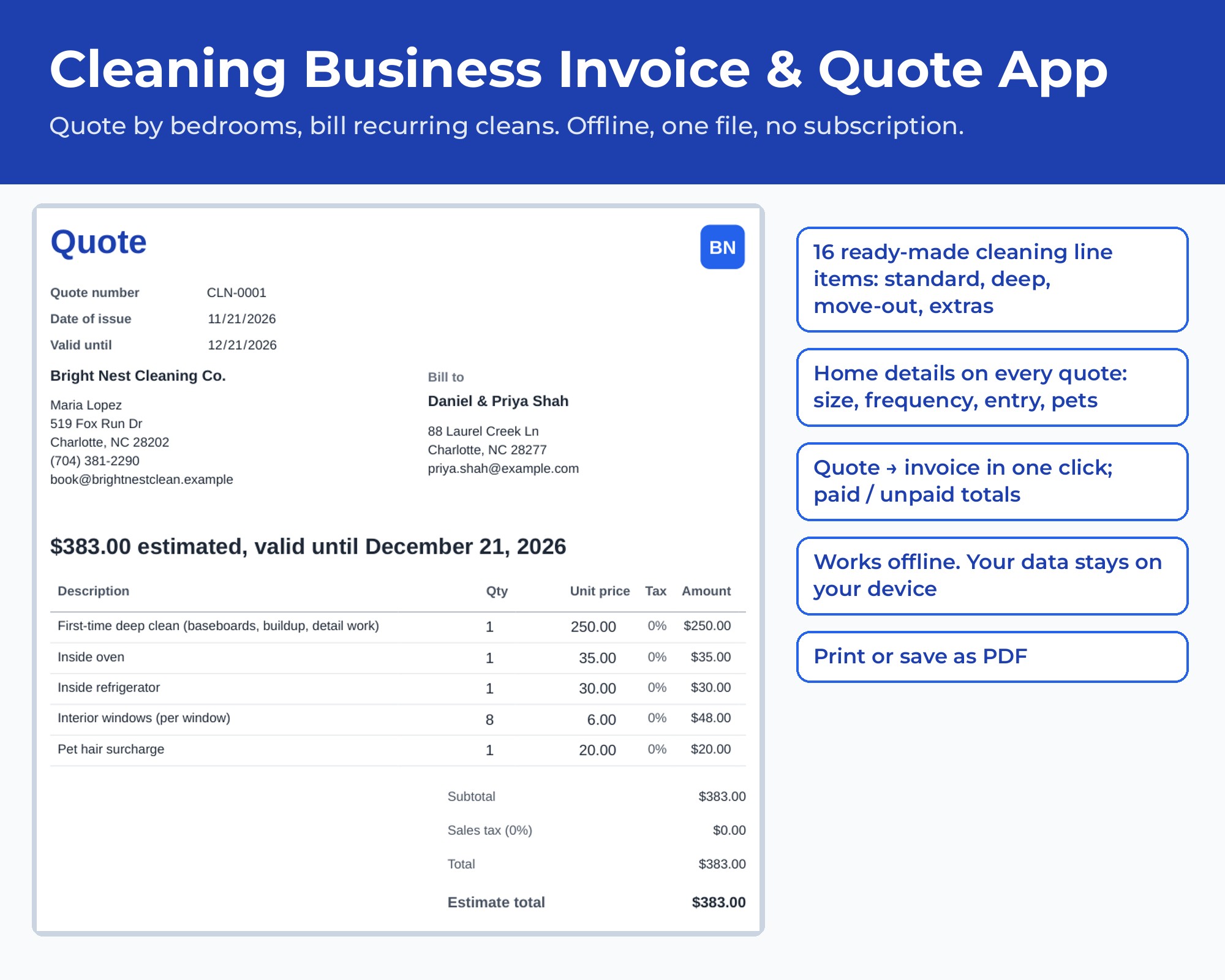
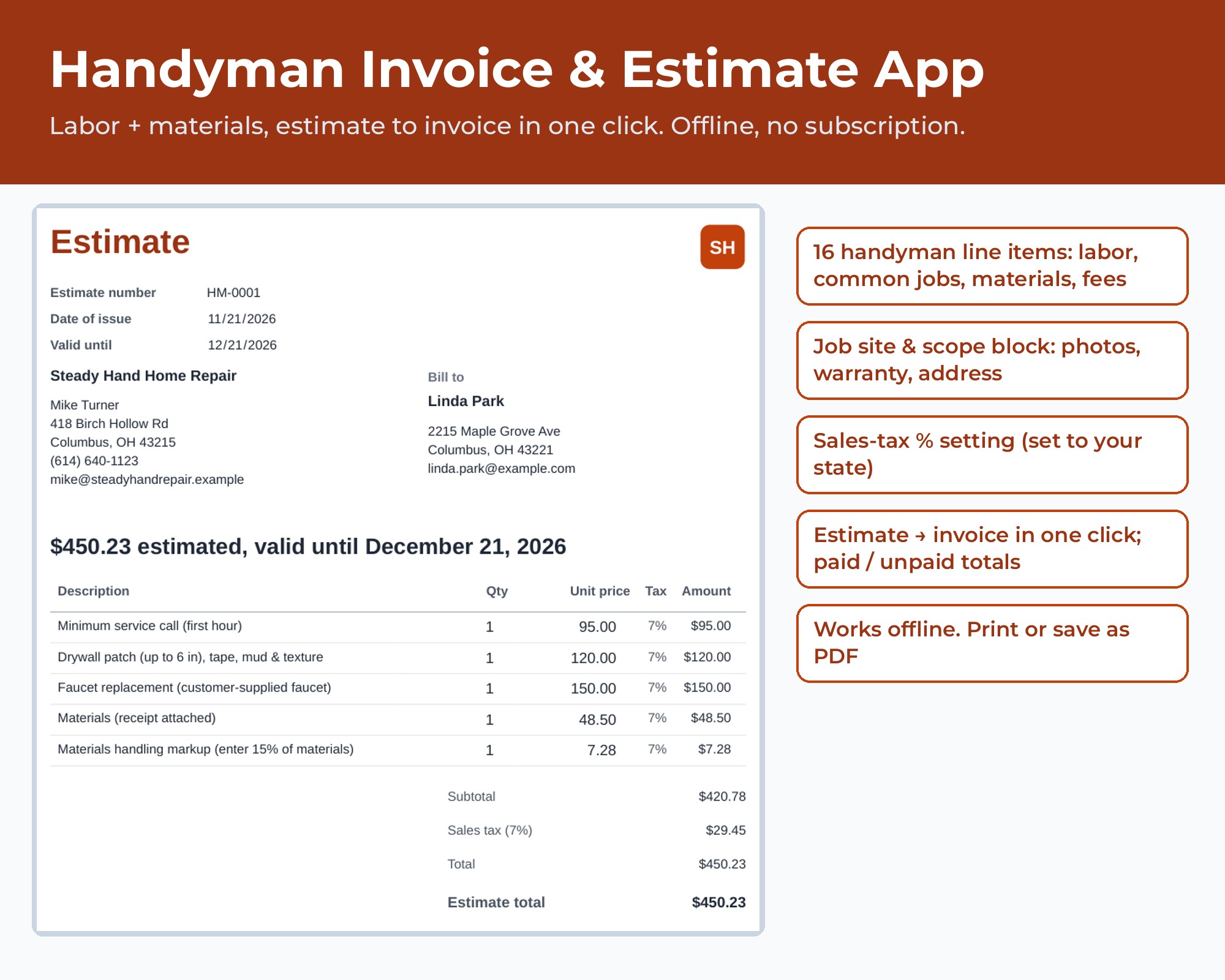
Customers often ask two or three businesses. The first clear quote usually wins. Send it from the driveway or the van if you can: line items, labour and materials separated, and a clear "valid until" date.
2. Use the same numbers on the invoice
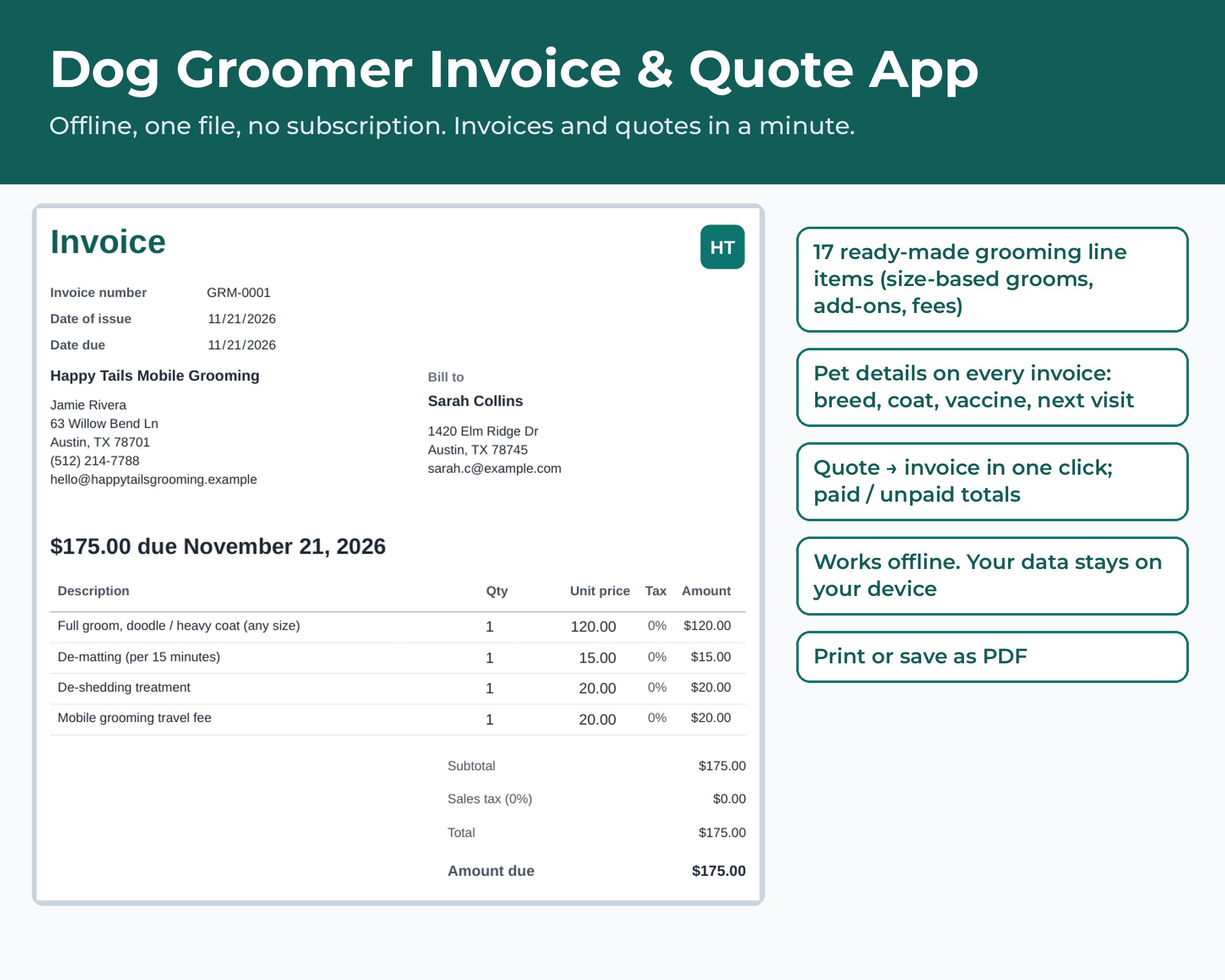
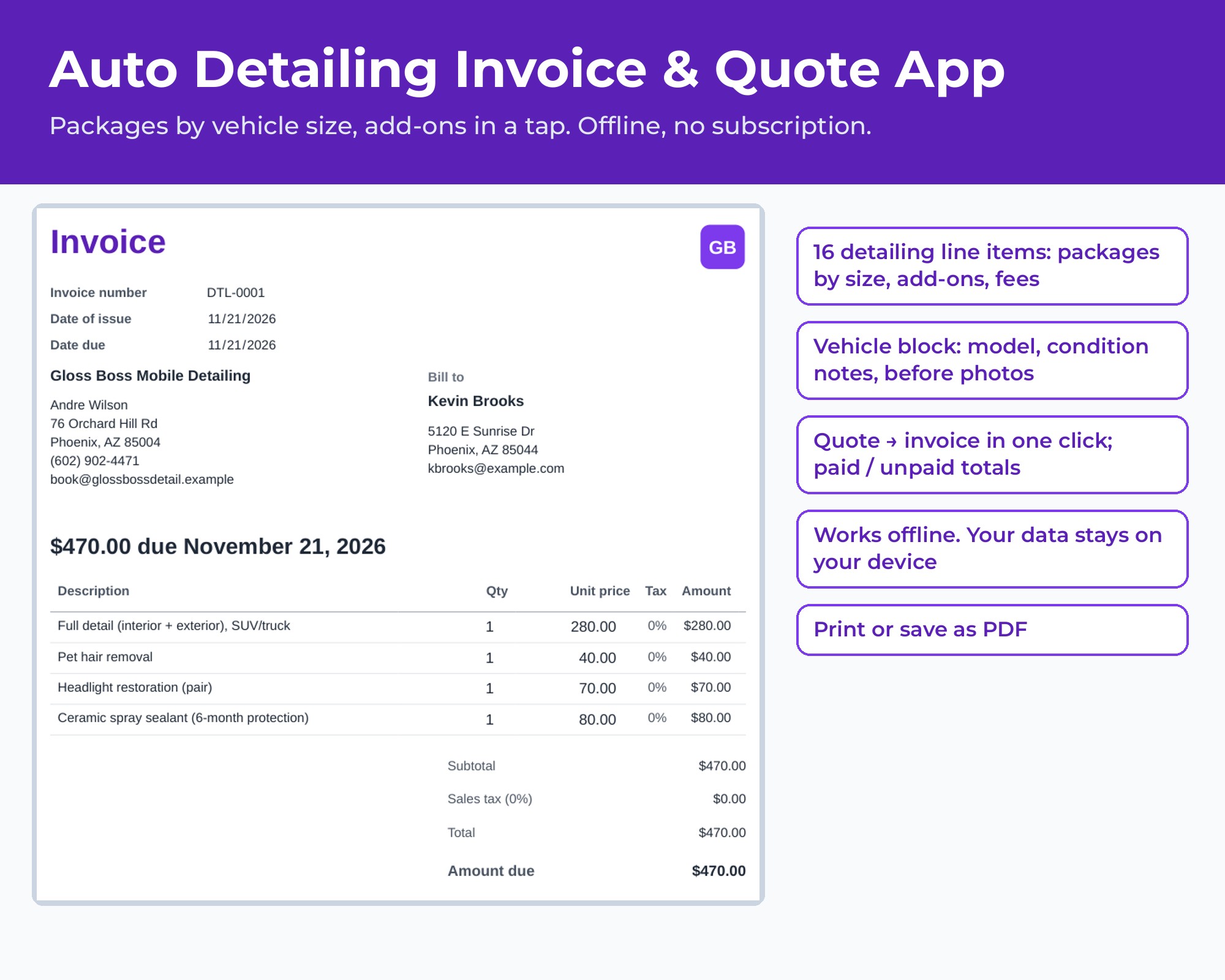
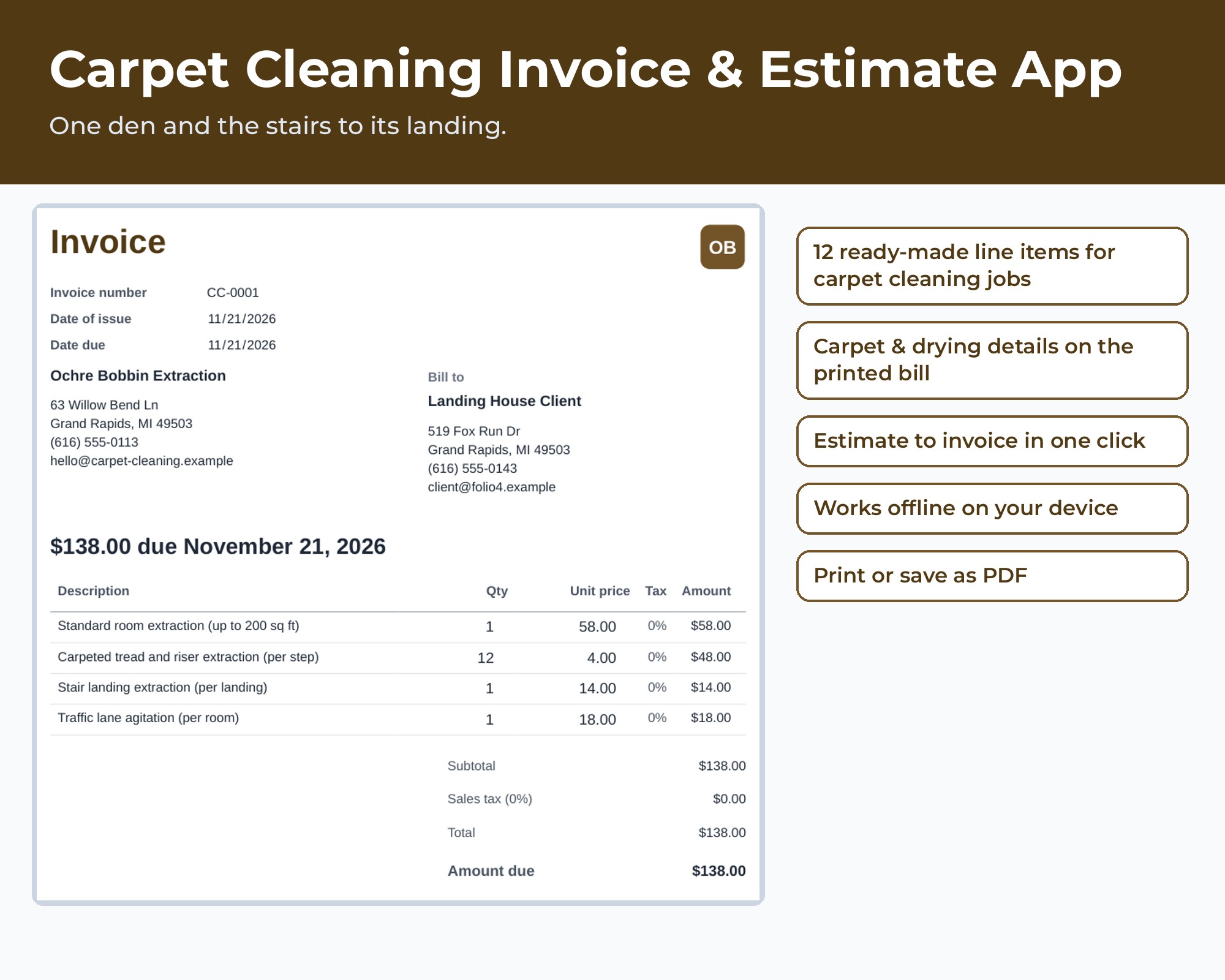
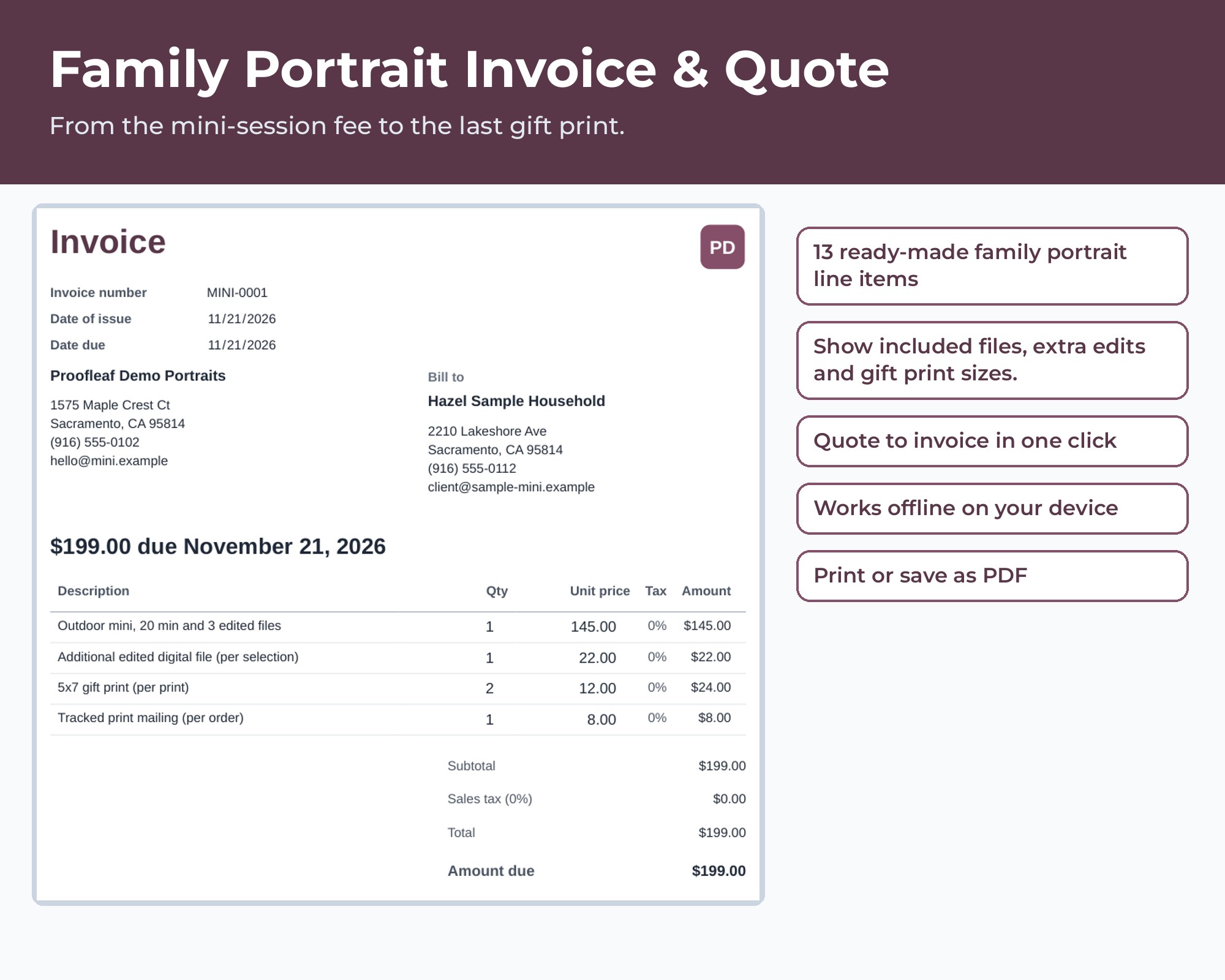
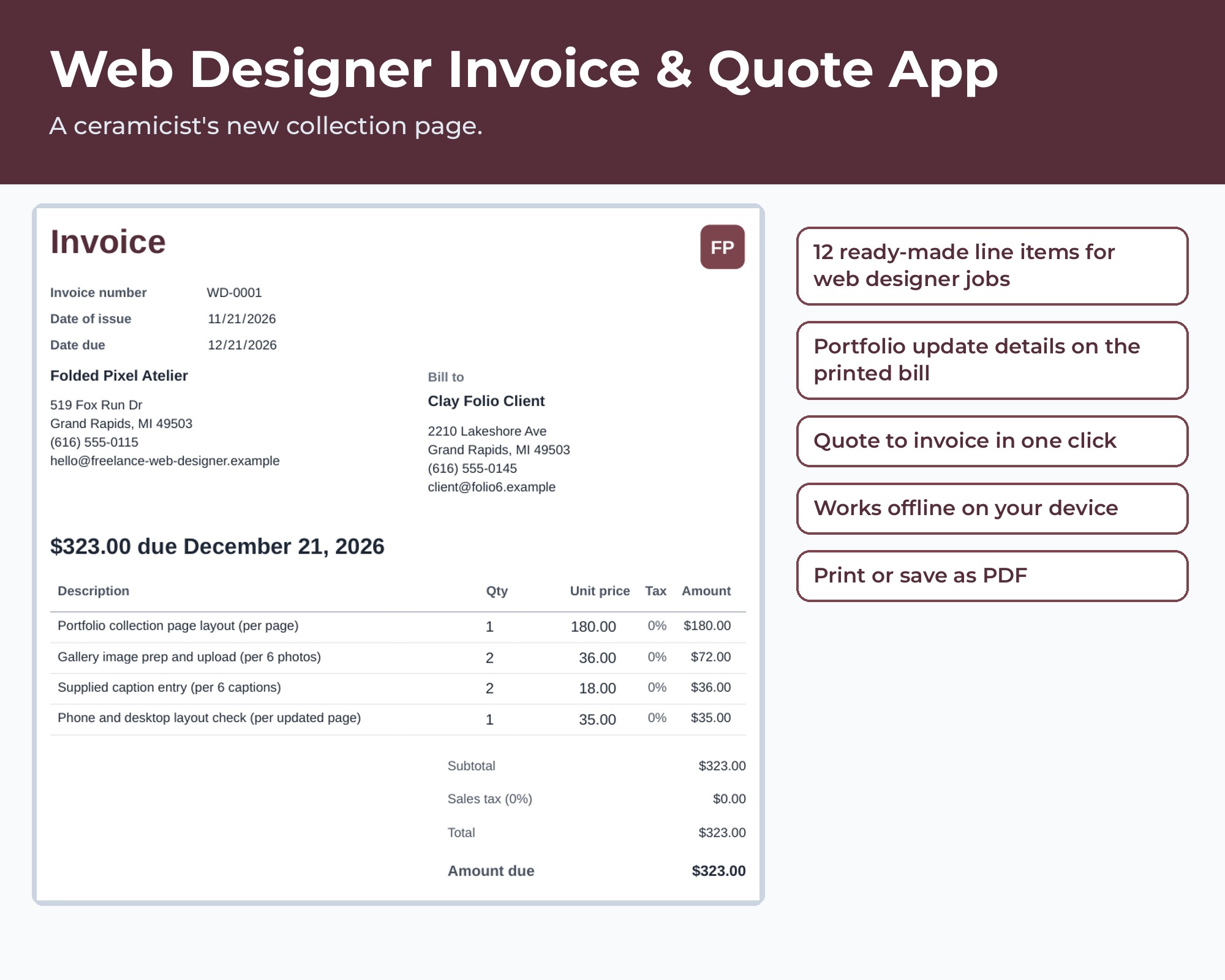
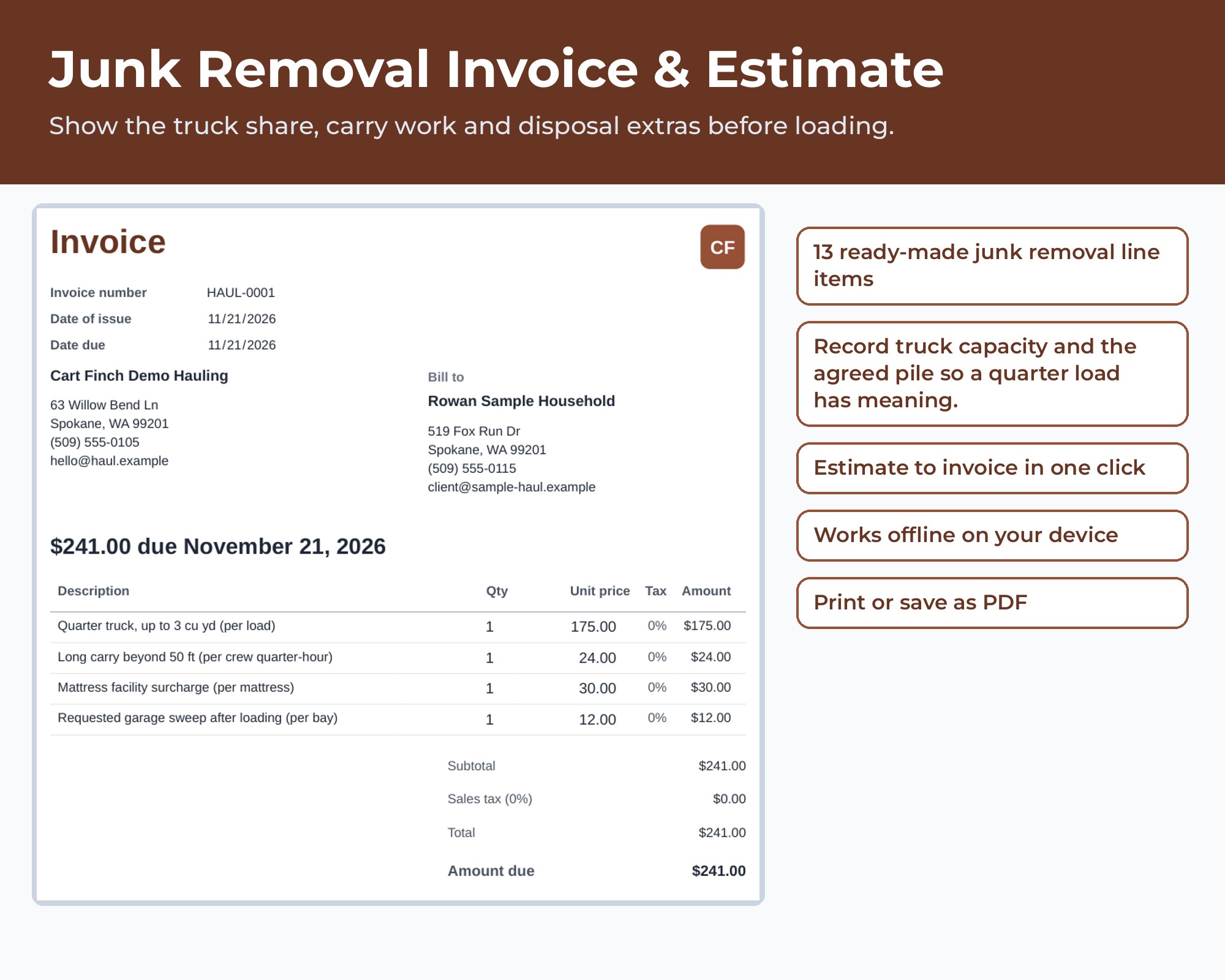
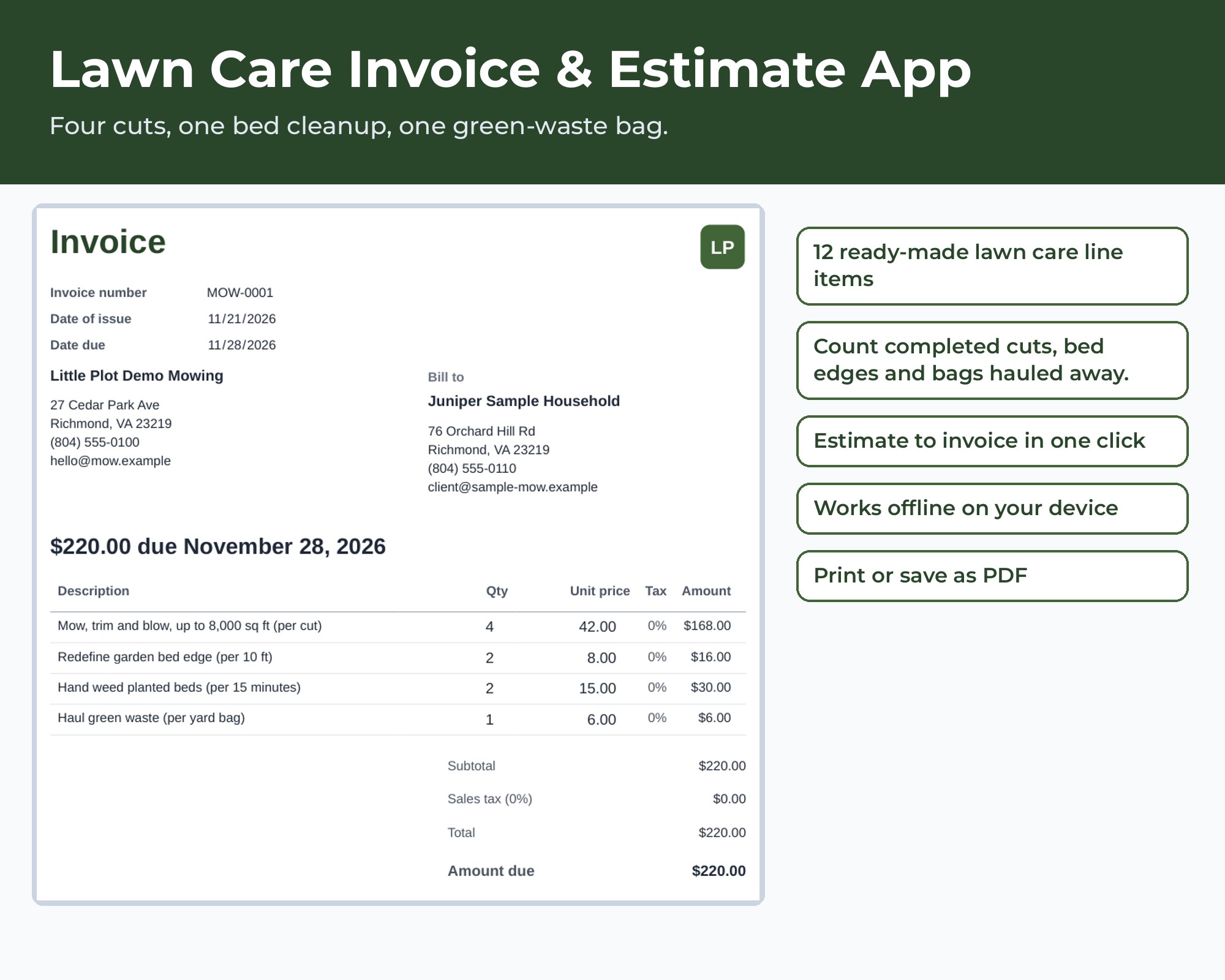
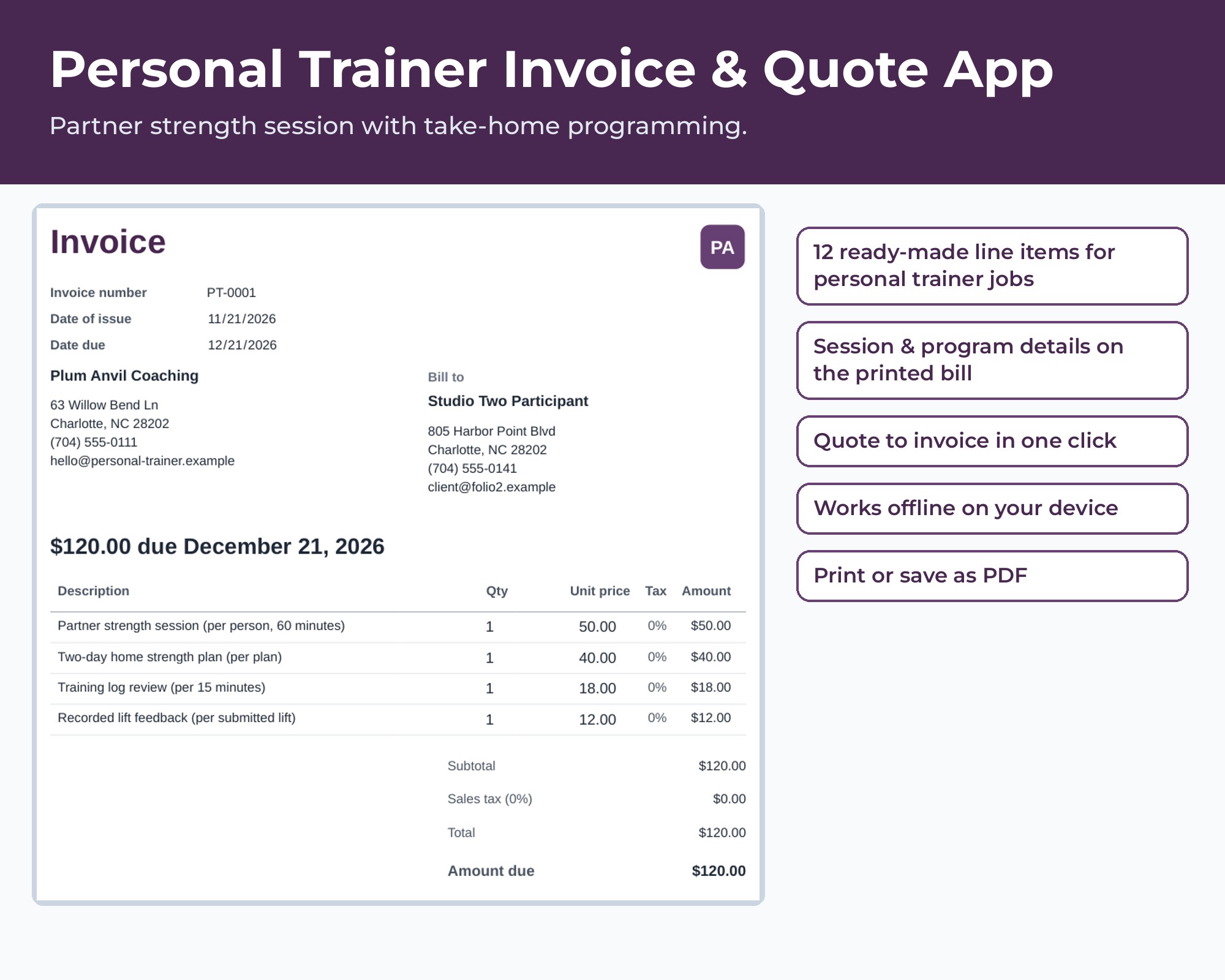
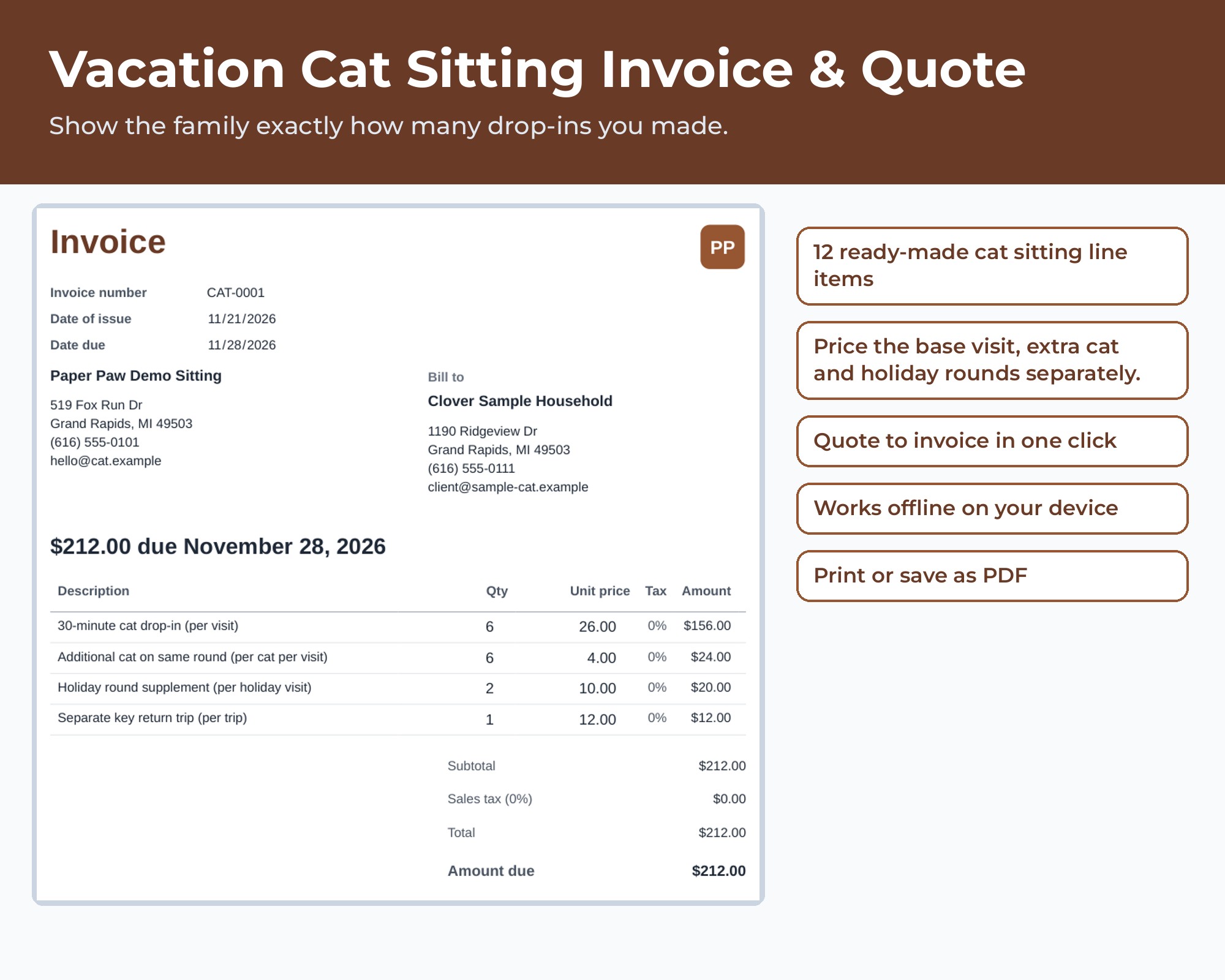
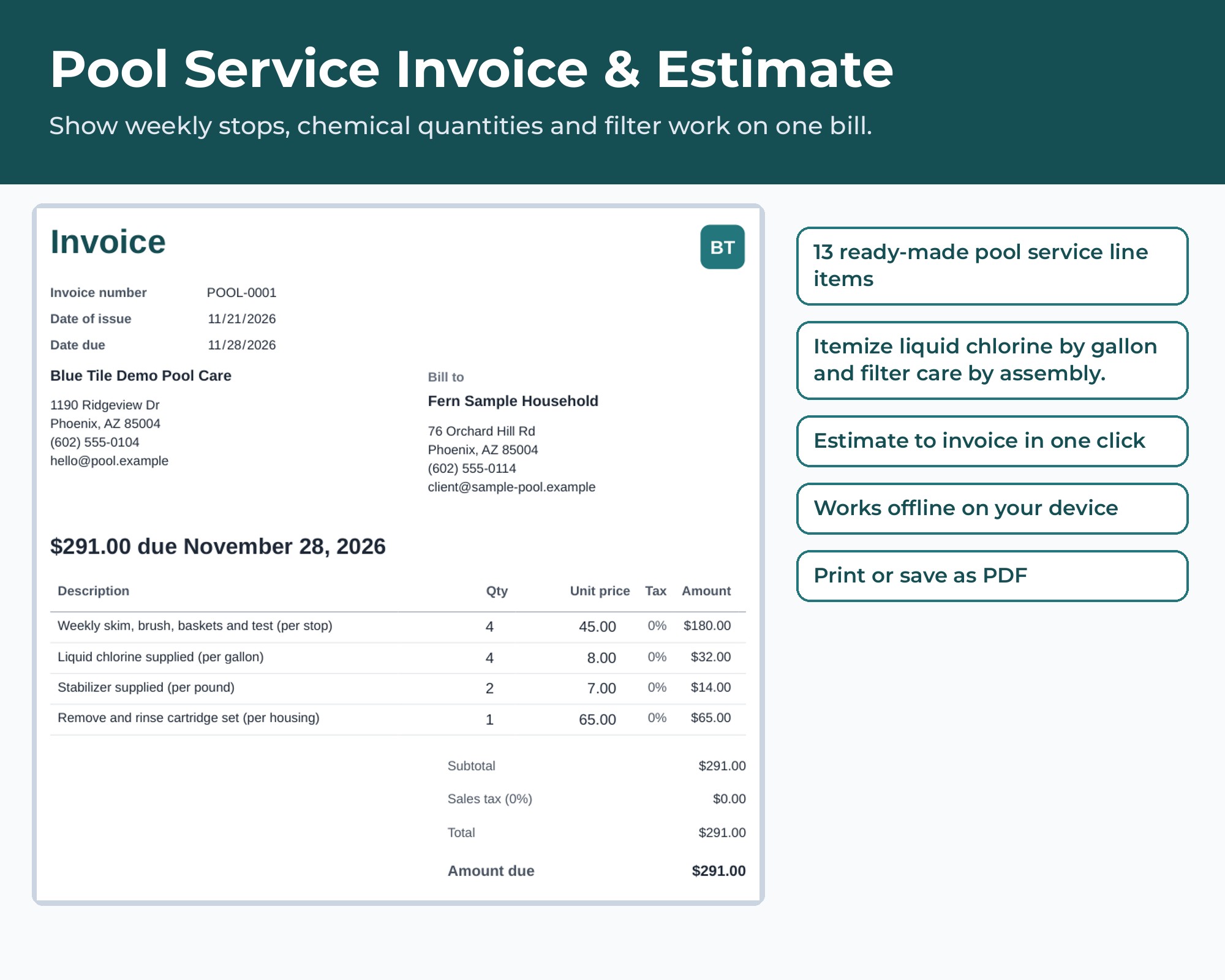
When the job is done, turn the quote into the invoice rather than starting again. Customers trust an invoice that matches what they agreed to, and you avoid "that's not what you said" calls. Add any agreed changes as separate lines so the difference is obvious.
3. Make paying easy
Put your payment options and due date on every invoice: card link, bank transfer, cheque. "Due on completion" works for small jobs; for bigger ones, a deposit on the quote and the balance on completion protects your materials cost.
4. Follow up on a schedule, not a feeling
- Day 1: invoice sent.
- Day 7: a friendly reminder with the invoice attached again.
- Day 14: a phone call.
Writing the dates in a simple log stops the awkward "did I already chase this?" question.
5. Keep one record per job
Quote, invoice, payment date and any notes in one place makes tax time and repeat customers easy. When someone calls back next year, you can see exactly what you did and what you charged.
Offline tools are fine
You don't need a monthly subscription to do this well. A quote-and-invoice tool that works offline on your phone or laptop, with your trade's common line items already set up, covers most one-person businesses. What matters is using the same one every time.